

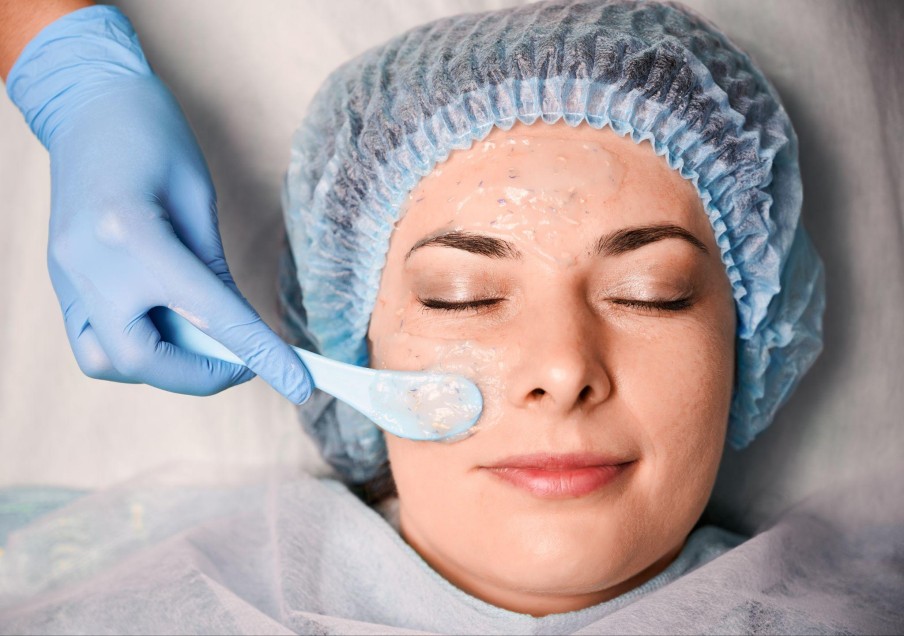
Acne scars, uneven texture, and dull skin are some of the most common concerns people face while trying to achieve clear and healthy-looking skin. While a consistent skincare routine can improve overall skin health, stubborn marks and pigmentation often require targeted treatments. Chemical peels are one such advanced skincare solution that helps remove damaged skin layers, improve skin texture, and promote a more even complexion. By supporting natural skin renewal, this treatment can help reduce the appearance of acne marks, pigmentation, and other skin imperfections, making the skin look smoother and refreshed.
What Are Chemical Peels and How Do They Work?
Chemical peels are exfoliating skin treatments that use specially formulated solutions to remove dead skin cells and damaged surface layers. This process encourages the skin to produce new cells, helping improve its overall appearance and texture.
Depending on the skin concern, different types of chemical peels are available. Some peels work on the outermost layer of the skin for mild concerns like dullness, while others target deeper layers to address issues such as acne scars and pigmentation.
The main purpose of a peel is to accelerate the skin renewal process. By clearing away buildup, it allows healthier-looking skin to appear while improving smoothness and brightness.
Can Chemical Peels Help With Acne Scars?
Acne scars can develop after breakouts and often leave behind uneven texture, dark spots, or visible marks. Many people look for effective solutions to reduce these concerns and achieve smoother skin. Chemical peels for acne scars can help improve the appearance of mild scars by removing damaged skin cells and encouraging the growth of fresh skin.
Chemical peels are especially helpful for post-acne marks, uneven texture, and pigmentation left behind after breakouts. They can gradually make the skin appear clearer and more balanced by improving surface irregularities.
However, results depend on factors such as the type of acne scars, skin condition, and the depth of the concern. Surface-level scars and pigmentation usually respond better compared to deeper acne scars.
How Do Chemical Peels Improve Skin Tone?
Uneven skin tone can occur due to several reasons, including sun exposure, acne marks, environmental factors, and dead skin buildup. Over time, these factors can make the skin appear dull and patchy.
Using chemical peels for hyperpigmentation can help reduce the appearance of dark spots and discoloration by exfoliating the affected skin layers. The treatment helps reveal fresher skin, making the complexion look brighter and more even.
Chemical peels can also improve overall skin radiance by removing dull surface cells. With regular skincare practices and proper sun protection, the results can be maintained for a healthier-looking complexion.
Benefits of Chemical Peels for Skin Health
Chemical peels provide several benefits beyond improving acne scars and skin tone. Some key advantages include:
- Improves skin texture:Removes dead skin cells and helps create smoother-looking skin.
- Reduces dullness:Helps restore brightness by refreshing the outer skin layer.
- Minimizes acne marks:Supports improvement in the appearance of post-acne pigmentation.
- Enhances skin renewal:Encourages the natural process of creating new skin cells.
- Improves product absorption:Allows skincare products to work more effectively by reducing surface buildup.
Different Types of Chemical Peels for Skin Concerns
The effectiveness of a peel depends on the type selected according to specific skin goals. Some commonly used options include:
Light Chemical Peels
Light peels are generally used for improving skin brightness, mild pigmentation, and rough texture. They work on the surface layer of the skin and usually involve minimal downtime.
Medium Chemical Peels
Medium peels target deeper skin layers and are often considered for concerns like noticeable pigmentation, uneven tone, and acne-related marks. They provide more intensive exfoliation compared to light peels.
Deep Chemical Peels
Deep peels are stronger treatments designed for more significant skin concerns. They work on deeper layers and require more recovery time compared to lighter options.
What Should You Expect After a Chemical Peel?
After a chemical peel treatment, the skin may go through a renewal phase. Some people may experience mild dryness, redness, or peeling as the old skin layer sheds and new skin develops.
Following a proper aftercare routine is important to maintain results. Using gentle skincare products, keeping the skin moisturized, and applying sunscreen regularly can help protect the skin and support recovery.
Sun protection is especially important because freshly treated skin can be more sensitive to sunlight. Regular use of sunscreen also helps prevent new pigmentation concerns.
Are Chemical Peels Suitable for Improving Skin Texture?
People dealing with rough skin, uneven complexion, acne marks, or dullness often consider chemical peel treatment for skin texture improvement.
By removing dead cells and promoting renewal, chemical peels can make the skin feel smoother and appear more refreshed.
Clinics such as RasaDerm typically assess factors like skin type, concerns, and treatment goals before recommending a suitable chemical peel.
However, choosing the right type of peel based on individual skin needs is important. Different concerns require different approaches, and understanding your skin goals can help achieve better results.
Final Thoughts
Chemical peels can be a beneficial skincare treatment for improving acne scars, uneven skin tone, pigmentation, and overall skin texture. By removing damaged skin cells and supporting natural renewal, they help create a smoother and brighter appearance. Whether you want to reduce acne marks, improve dullness, or achieve a more balanced complexion, chemical peels can be an effective option when selected according to your specific skin concerns. With proper skincare habits and consistent protection, the results can help maintain healthier-looking skin over time.